There is a factor warm illumination never truly leaves. Designs transform, home exteriors progress, rooflines get cleaner, and illumination technology maintains enhancing, however that acquainted warm glow still really feels right. It softens difficult architectural lines, flatters brick and rock, and offers a home a lived-in style that cooler tones seldom match. When house owners ask what coating will certainly still look great 5 or ten years from now, I generally come back to the same answer: traditional cozy soft lights.
That response issues even more when the project entails a Permanent LED Lighting Installation Short-term hairs come down. Long-term systems stay up with every period, every weather condition change, and every design phase. A long-term configuration needs to look intentional in December, subtle in July, and ideal on an ordinary Tuesday night when no one is celebrating anything at all. Warm light does that far better than almost any other option.
A lot of individuals initially run into these systems while buying Permanent Holiday Lights, after that recognize the actual worth has less to do with one season and more to do with the year-round look. Once they imagine the lights staying on your house full time, their priorities shift. Flashy shades are enjoyable for occasions. Warm soft light is what lots of people actually intend to live with.
Why cozy light still wins on real homes
On paper, lighting selections can feel like a matter of preference. In practice, they affect how the whole house checks out from the street. A cozy shade temperature, generally somewhere in the lower Kelvin variety, brings out the all-natural depth in wood, siding, block, and landscape design. Cooler light tends to develop whatever. That can be beneficial in business setups or on really modern-day homes, however on many residences it really feels harsher than individuals expect.

I have seen this play out many times during night demonstrations. A property owner starts requesting intense white because they want the lights to really feel clean and visible. After that the example shifts from awesome white to warm white, and the entire discussion adjustments. The stone veneer all of a sudden looks richer. The soffits stop feeling raw. The windows take on a softer structure. What looked excellent theoretically starts to feel as well clinical in truth, while the warmer setup looks more costly and extra at home.
The effect is specifically strong on older homes and standard design. Colonials, craftsman homes, cattle ranch residences, farmhouses, and block two-stories all tend to benefit from Classic Warm Soft Lights due to the fact that the shade supports the character that is already there. It does not compete with your house. It ends up it.
That stated, cozy light is not only for traditional homes. Also more recent builds with tidy lines commonly look much better with a warmer nighttime tone. Modern design currently lugs adequate aesthetic sharpness in its form. Adding cool light in addition to that can press the explore something extreme. Cozy illumination equilibriums the geometry and keeps the house welcoming.
The distinction between warm and washed out
One concern comes up often: property owners fret cozy light will certainly look dim, yellow, or antique in the wrong way. That can take place, yet it generally has less to do with the concept and even more to do with the item quality, lensing, spacing, and control settings.
A good long-term system does not toss sloppy amber light across the roofline. It creates a tidy, controlled glow with sufficient outcome to define the style without swamping it. The heat ought to feel deliberate, not weak. This is where professional item option matters. Two illumination systems can both promote cozy white and perform extremely in different ways once installed.
The lens style, diode high quality, and positioning under the soffit all affect the last appearance. A well-designed system conceals the equipment and offers the light, not the fixture. The result is refined. You discover the line of lighting and the mood it develops, but you do not look at revealed light bulbs defending attention.
This is among the greatest distinctions between a thoughtful Permanent LED Illumination Installation and a patchwork do it yourself setup. The irreversible system needs to disappear during the day and quietly boost your house at night. When the lighting is as well trendy, also bright, or too subjected, the system itself becomes the story. That is typically not the goal for home owners who desire a classic exterior.
Where classic warm soft lights fit best
Warm soft lights works incredibly well in daily mode. That is the setting property owners utilize one of the most, also if they initially bought the system for holidays. A lot of permanent systems invest a lot of the year on a basic timetable: on at dusk, off at going to bed, possibly brighter on weekends, maybe a little later during celebrations. In those normal-use patterns, heat is what maintains the setup from really https://ledlighting093.cloudhinter.com/posts/what-to-know-prior-to-investing-in-permanent-vacation-lighting feeling overdone.
It additionally brings well across different objectives. For aesthetic charm, it lays out the home without making it look industrial. For entertaining, it develops environment. For seasonal designing, it serves as a base layer that can either stand alone or be temporarily highlighted with shade. For protection, it supplies beneficial ambient exposure without the glare of floodlighting.
One customer I remember had a large two-story brick home with dark shutters and mature oak trees. They originally wanted a cooler white due to the fact that they assumed it would certainly make the house feel more upscale. We mocked up both alternatives. The cooler tone mirrored hard off the white trim and flattened the brick. The cozy tone highlighted the texture in the masonry and linked the entire front elevation with each other. A week after installation, they told me the largest surprise was how much they delighted in the lights on regular evenings, not simply when guests were over. That is exactly the factor. Good long-term lighting gains its keep on unremarkable nights.
Permanent holiday lights that do not look seasonal
This is where several home owners are reluctant. They enjoy the benefit of Permanent Holiday Lights, but they do not want your house to look like it is constantly prepared for a party. That is a legitimate problem. Some installations do look as well festive year-round, usually due to the fact that the fixtures are also noticeable or the default settings lean also bright and colorful.
Classic warm setups resolve a lot of that problem. When the system is tuned to a soft warm white and installed discreetly along the roofline or architectural edges, it reads more like premium exterior accent lights than vacation style. The vacation ability is still there, all set for December, birthdays, video game days, or patriotic weekends, yet the daily presentation remains understated.
That double use is the real selling point. Property owners no longer need to choose between convenience and restriction. A good long-term system can be both sensible and tasteful, yet only if the baseline illumination choice is tranquil sufficient to live with. Warm soft light offers you that baseline.
The strongest installments normally have a power structure. Daily scenes are easy and low drama. Vacation scenes are bolder and made use of intentionally. If every setup is attempting to be high effect, the uniqueness subsides swiftly. The homes that look best with time are the ones where the routine nightly look is subtle.
Getting the shade temperature level right
If you want the timeless appearance, the actual color temperature matters. Also warm and the house can look excessively brownish-yellow. As well cool and the gentleness vanishes. There is no excellent number for every building, yet there is a beneficial working variety for a lot of homes.
In household setups, lots of people land easily someplace around 2200K to 3000K for warm soft exterior lighting. The reduced end really feels extra candlelike and intimate. The top end still really feels warm, however cleaner and a little brighter. Material color, trim comparison, and community context all influence where the pleasant area falls.
A white stucco home in a seaside setting might manage a somewhat cleaner warm tone well. A red brick home with lotion trim typically looks exceptional a bit lower in the range. Dark exteriors typically gain from adequate warmth to keep the house from transforming aesthetically flat at night, yet they additionally need enough outcome to read clearly from the street.
Here are a couple of variables worth weighing when dialing in the best look:
- exterior product color and texture how surprise or visible the fixtures will certainly be viewing distance from visual to house whether the home is typical, transitional, or modern how usually the system will certainly be used in day-to-day warm-white mode
That last point is simple to undervalue. If warm white will be your default 90 percent of the time, spend extra initiative getting it right. It is better to fine-tune the everyday scene than to obsess over the 1 or 2 holidays when the system goes fully color-changing.
Brightness issues as high as color
A typical error is condemning the color when the genuine issue is intensity. Also a gorgeous cozy white can look inexpensive if it is as well bright for the home. Overlit rooflines produce hotspots, glow, and aesthetic mess. As opposed to accenting design, they subdue it.
This occurs often on modest-sized homes where the system can a lot more result than the design actually requires. Homeowners see the lights at full illumination during configuration and assume even more should be much better. Usually it is not. On numerous residential properties, dropping the outcome visibly improves the outcome. The lines end up being softer, the spill becomes more controlled, and the home looks more refined.
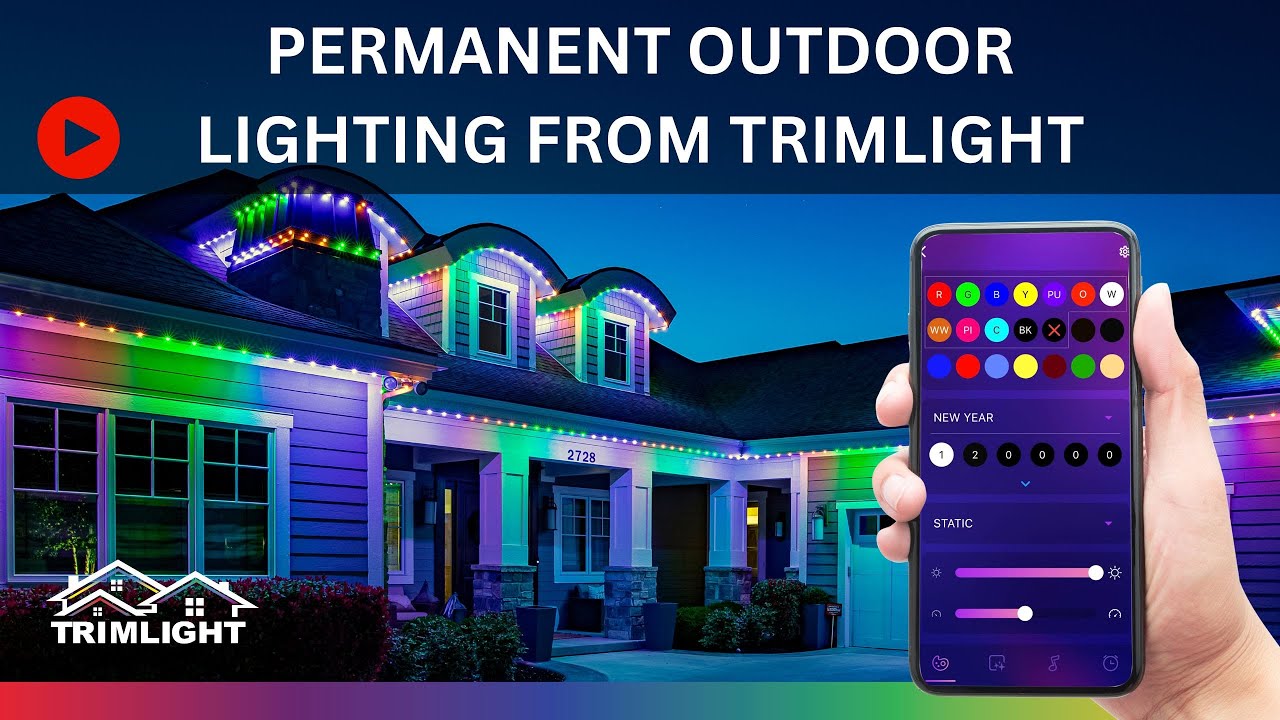
Permanent systems with app-based controls make this much easier, yet only if the installer or house owner requires time to program beneficial scenes. It helps to contend the very least one everyday warm-white setting tuned particularly for normal nights, not just a generic manufacturing facility pre-programmed. That setting might perform at a lower illumination on weekdays, with a slightly brighter variation for weekends or entertaining.
The ageless appearance is hardly ever the brightest setup. It is the one that feels balanced from the street, from the driveway, and from inside your house looking out.
Installation information that shape the last look
A lovely illumination color can not save a careless set up. The craftsmanship behind the system determines whether the result feels personalized or cobbled together. With Permanent LED Illumination Installation, positioning is everything.
Under-soffit installing often tends to be the cleanest selection for many homes since it hides the hardware and directs the light in a controlled laundry. Fascia installing can function well as well, but it calls for careful preparation to maintain the visual rhythm also. Spacing need to react to your house, not simply comply with a one-size-fits-all guideline. Peaks, dormers, garage doors, gables, and shifts each change how the light reads.
Wire management matters greater than people think. Throughout daytime hours, bad cable transmitting is what gives away a hurried installment. Home owners are spending for permanence, so the system must really feel developed right into your house instead of draped onto it. Clean lines, matched trim channels where needed, and discreet discontinuations all contribute to the premium appearance.
There is likewise the issue of utility. Permanent does not suggest untouchable. A well-installed system permits gain access to for future upkeep without harmful surfaces or requiring significant disassembly. That is just one of those details property owners might not consider on the first day, but they value it later.
Warm light and seasonal flexibility can coexist
Some home owners stress that choosing a cozy everyday visual will limit the enjoyable of shade scenes later. In truth, both enhance each other. A house with a stylish baseline scene looks also much better when it moves intentionally for holidays or events. The comparison gives seasonal programming more impact.
December is one of the most obvious instance. Warm white can bring your home magnificently all season, either alone or mixed with classic red and green accents. It also pairs well with wreaths, garlands, natural plant, and conventional decoration. Cooler white often encounter those materials unless the entire holiday style leans really modern.
For various other occasions, shade can come and go without altering the permanent identity of your house. A sports-team scene on Friday evening, soft amber for autumn, red-white-and-blue for a summer vacation, after that back to cozy white afterward. The home still feels grounded due to the fact that the default look is stable.
That is one factor Permanent Vacation Lights have actually ended up being extra appealing to home owners that as soon as disliked the idea. The systems no more need to shriek vacation. They can behave like sophisticated architectural illumination the majority of the year and change modes just when welcomed to.
Practical trade-offs house owners should know
Warm soft lights is forgiving, however it is not magic. There are trade-offs, and it helps to recognize them prior to installation.
Very warm settings can shed some quality on houses with exceptionally bright white trim. If the home has a minimalist, practically gallery-like style language, a slightly cleaner warm white may fit it much better than a deeply amber tone. Residences in dense areas may also require illumination changed very carefully so the setup stays attractive and does not cast unneeded spill toward neighboring properties.
Another side instance is snow. In winter season environments, snow reflects a great deal of light back onto the exterior. A setup that looks perfect in October may feel brighter in January. That is not a problem in the system, just a reminder that programmable scenes are useful. Seasonal tweaks help preserve the very same aesthetic state of mind across transforming conditions.
Landscaping also transforms the equation. Fully grown trees, bushes, and stonework can soak up or mirror more light than expected. In some cases the most effective roofline color requires buddy changes in pathway or uplighting so the general scene really feels meaningful. Outside lights functions best as a make-up. Long-term roofline lighting is one layer, not the whole performance.
Choosing an installer who recognizes restraint
Not every installer has the exact same eye. Some are exceptional at the electrical and technological side however push every home toward optimum brightness and optimum shade because that is what attracts attention in a demonstration. The far better specialists understand when to draw back.
Ask to see finished projects in the evening, not just images. Pictures can overemphasize brightness and flatten color. A real-time visit informs you far more regarding the installer's taste. Focus on whether the lights match the homes or dominate them. Notice if the fixtures vanish during the day. Ask what the regular daily scene appears like for a lot of clients after the uniqueness puts on off.
A great installer should be able to chat plainly regarding color temperature level, illumination control, mounting approach, and scene shows without considering obscure advertising and marketing language. They should likewise be truthful when a house would benefit from a slightly different cozy tone than the homeowner originally requested.
That type of judgment is what separates a sales pitch from a layout service.
Keeping the system looking excellent over time
Permanent lighting must not become a set-it-and-forget-it eye sore. The good news is, maintenance is normally light if the system is mounted properly and the elements are constructed for exterior use. A little focus goes a lengthy way.
A straightforward maintenance regular typically includes:
- checking seasonal scene timetables a few times a year rinsing or gently cleaning up noticeable trim and lenses when crud develops up inspecting for storm damage after significant climate events updating control software program if the supplier suggests it confirming brightness levels still match modifications in landscaping or paint color
Most of this takes minutes, not hours. The factor is not continuous tinkering. It is keeping the presentation intentional. If the home obtains repainted, if new trees go in, or if the family members understands the lights run later than they choose, tiny adjustments maintain the polished look.
Why the timeless appearance has remaining power
The finest exterior choices typically borrow from the very same concept: if something flatters the home itself, it lasts. If it relies on uniqueness, it dates quickly. Warm soft lights flatters the home. It highlights shape, appearance, and percentage without forcing a fad onto the architecture.
That is why Classic Warm Soft Lights continue to appeal also as lighting systems come to be advanced. People might enjoy the app controls, the scheduling, and the capability to switch over to shade for special celebrations, yet the appearance they go back to evening after evening is the basic one. Cozy. Balanced. Comfortable. Classy without effort.
For house owners considering a Permanent LED Lights Installation, that is the conventional worth aiming for. Not the brightest scene, not the most dramatic trial, and not the one that gets the most significant reaction for five mins. The right selection is the look that still feels good after the visitors leave, after the period adjustments, and after the system enters into day-to-day life.
A home lit in soft warm tones feels resolved. It looks looked after. It welcomes people in. And unlike many style choices tied to a certain minute, it has a tendency to age with dignity. That is rare sufficient to matter.